
How to get on TV as an expert guest, and what to avoid paying for
Producers, not presenters, decide who goes on air, and they book from short, specific pitches. Here is how it works, what to check before you say yes, and what we can honestly offer.
Want this done for you? See our guaranteed media placement service. Related reading: Thought leadership for founders · How much does a publicist cost? · Podcast guest booking. Or browse all PR guides.
Key takeaways
- A producer decides who is booked. A former TV booker told Times Higher Education that 99 per cent of content comes from producers, and that short, specific emails need a face-to-face meeting behind them.
- Before you agree, ask what the story is, the deadline, who else is being interviewed, and whether it is live or taped (Binghamton University's media guide).
- A broadcast segment that someone pays for must be announced on air as paid (47 CFR 73.1212), so be wary of anyone selling a guaranteed news interview.
- Blue Leopard Media does not book TV. It sells a labelled, sponsored profile feature with your own cover, from $249, for a producer to find when they search your name.
The short answer
A TV producer, not the presenter, decides who goes on air. Most expert guests get there with a short, specific pitch tied to the news, a meeting or call with the producer, and a record of being clear on camera. Paying for airtime is different from being booked: when money is paid or promised for a broadcast segment, US rules require the station to announce on air that it was paid for.
Blue Leopard Media does not book TV appearances. Our founder and executive publicity service gives a producer something credible to find when they search your name: a labelled, sponsored profile feature with your own cover, from $249.
How producers book expert guests
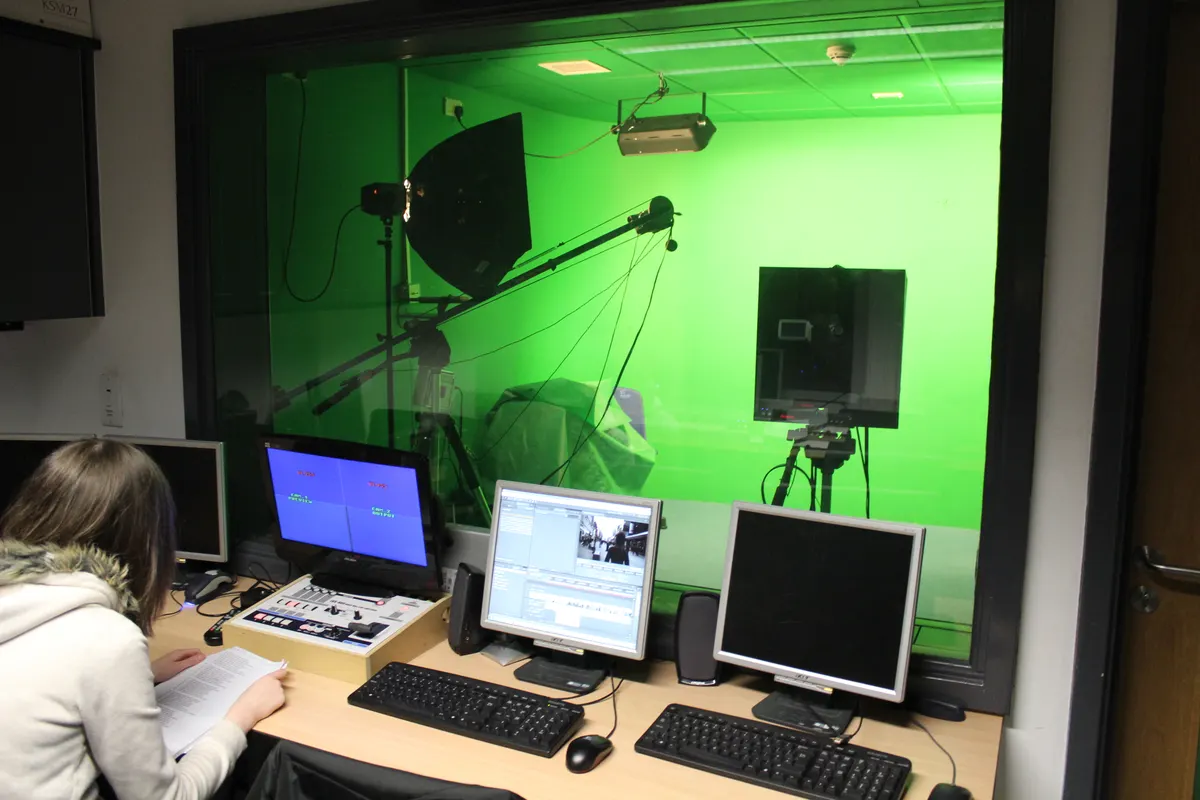
A former booker for a TV current-affairs programme told Times Higher Education that 99 per cent of content comes from producers, so producers are the people to reach. She advised short, specific email pitches and said not to attach a research paper, because it will be ignored.
She also said emails alone will not do it: you need to get in front of a producer, because face to face is everything in television.
Local stations are a realistic first step. Pew Research Center found that 65% of US adults at least sometimes get news from their local TV station (2025 data). Treat that as our reading, not Pew's advice: a local segment is practice before you pitch anything national.
What to send, and what to ask
Choose one topic you can explain in plain words in under a minute, and the news it connects to. Then send:
- Two or three short bullet points with your view, not a biography.
- When you are free, and whether you can reach a studio or join by video.
- A link to a page that shows who you are: your bio, past interviews and any coverage.
When a producer replies, ask what Binghamton University's media guide lists: what the story is about, the deadline, who else has been spoken to, whether it is by phone or in person, and whether it is live or taped. The same page warns that once a microphone is attached, you should assume it is recording.
Expect a producer to search your name before booking. That is our view, not a cited rule, but it is why what appears in those results matters.
What to avoid paying for
Be careful with anyone who charges to get you on TV and promises a news interview, because a producer makes that choice. A segment that someone pays for is a different product: under 47 CFR 73.1212 the station must announce at the time of broadcast that it was paid for. Ask in writing which show, what format, whether it is labelled as paid, and what happens if it does not air.
Our feature does not replace a producer relationship. It is a sponsored, labelled article written from your brief and live within 24 hours of your approval, so a booker has something to read, link and check.
How the options compare
How the options compare:
| Pitch it yourself | Paid booking or PR service | Blue Leopard Media | |
|---|---|---|---|
| Price | Free, apart from your time | Varies: get the price and terms in writing | $249 for one feature, $499 for three, $999 for eight |
| What you get | A chance at a segment if a producer says yes | Pitching to producers on your behalf | A labelled, sponsored profile feature with your own cover |
| Time to go live | No set date | Varies by provider | Within 24 hours of your approval |
| What is guaranteed | Nothing | Check the contract: a booking is the producer's call | Publication of the feature you approve, or your money back |
| Best for | Experts with a timely topic and some on-camera practice | Ongoing, hands-on media relations | Giving a producer something credible to find under your name |
Pitch the producers first. If you want a credible page for them to find when they look you up, we can write one.
Sources
- Times Higher Education: How to avoid a media disaster and get noticed for the right reasons (8 Jun 2023)
- Pew Research Center: Local News Fact Sheet (14 Apr 2026)
- Binghamton University: When the media calls
- Legal Information Institute: 47 CFR 73.1212, Sponsorship identification
- Blue Leopard Media: Founder and executive publicity
Frequently asked.
How do I get on TV as an expert?
Pitch the producer, not the presenter, with a short, specific email tied to the news and a link to a page that shows who you are. A former TV booker told Times Higher Education that 99 per cent of content comes from producers and that meeting them in person matters.
Can I pay to be on TV?
Paid segments exist, but when money is paid or promised for broadcast content, the station must announce at the time of broadcast that it was paid for (47 CFR 73.1212). That is different from being booked by a producer on editorial grounds.
What should I ask before agreeing to an interview?
Binghamton University's media guide lists the story, the deadline, who else has been spoken to, whether it is by phone or in person, and whether it is live or taped.
Does Blue Leopard Media book TV appearances?
No. We sell a labelled, sponsored written feature with your own cover, from $249, live within 24 hours of your approval. It can give a producer something to find when they search your name, but it does not get you booked.
Keep reading.
Thought leadership for founders: how press, podcasts and LinkedIn work together
Thought leadership is a useful point of view, published where buyers look. How founders combine press, podcasts and LinkedIn, with a 90-day plan and costs.
Read the guide CostsHow much does a publicist cost? Prices by model, and when it makes sense to hire one
A publicist costs about $2,000 to $10,000 a month on retainer, or roughly $40 to $225 an hour freelance. What you get, and when to hire a publicist.
Read the guide PRHow to get booked as a podcast guest, and whether guests get paid
Podcast guest booking explained: hosts choose guests who fit their listeners. How to pitch a show, whether guests get paid, and what we sell instead.
Read the guideGive a producer something to find under your name.
A labelled, sponsored profile feature about you with your own cover, from $249, with no retainer. Live within 24 hours of your approval, or your money back.