
Artist development: what it is, what it covers and who pays for it
Artist development is the work of turning a promising act into one that can sustain a career: the songs, the live show, the image and the audience. Here is what it covers, who has traditionally paid for it, and how an independent artist can do it without a label.
Want this done for you? See our music promotion service. Related reading: What is A&R · How to get signed · Record deal. Or browse all music guides.
Key takeaways
- Artist development is the work of building an act's skills, identity and audience so it can sustain a professional career.
- IFPI estimated in 2014 that a major label invested US$500,000 to US$2 million to break a newly signed artist in a major market, recoupable from royalties.
- A development deal funds that work in exchange for rights, and Wikipedia notes the label often takes control of management and publishing.
- UK artists at a tipping point can apply to the PPL Momentum Music Fund for £5,000 to £15,000; it is not for acts just starting out.
What is artist development? The short answer
Artist development is the work that turns a raw act into one ready for a long career: the music, the live show, the image and the audience. IFPI, the labels' trade body, said in 2014 that record companies were the largest upfront investors in artists' careers, and estimated that breaking a newly signed artist in a major market cost a major label US$500,000 to US$2 million, most of it advance, recording, videos and marketing (IFPI).
Blue Leopard Media is not a label or a development company. Our music marketing promotes one release with a YouTube campaign and an editorial feature.
What artist development covers
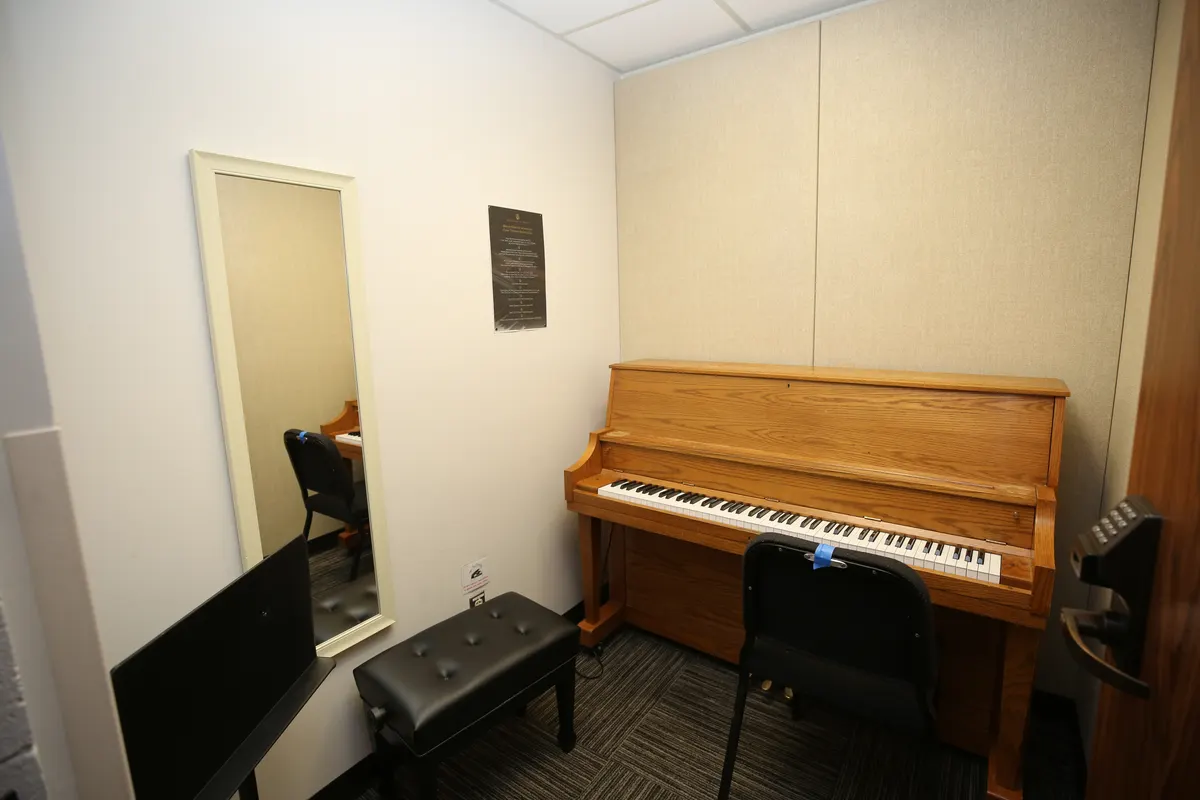
Berklee's profile of an artist development specialist describes someone who takes emerging or unsigned acts and prepares them for long-term careers. The areas it lists:
- Performance. Coaching vocal and instrumental delivery.
- The live show. Staging and choreography.
- Image and brand. Styling and public image.
- Media. Interview training.
- Online presence. A consistent story that connects with fans.
At a label, choosing the songs is usually A&R's job. See what an A&R does.
Who pays for artist development
A label, through a record deal. IFPI's 2014 breakdown of a major label's typical investment in a newly signed act:
| Item | Estimate (US$) |
|---|---|
| Advance | 50,000 to 350,000 |
| Recording | 150,000 to 500,000 |
| Video production | 50,000 to 300,000 |
| Tour support | 50,000 to 150,000 |
| Marketing and promotion | 200,000 to 700,000 |
| Total | 500,000 to 2,000,000 |
IFPI says these payments are recoupable against the artist's royalties, though in many cases artists do not break even, and they do not have to repay the shortfall. Read how a record deal works before you sign.
A development deal. Wikipedia's summary describes an artist development (or demo) deal as a contract in which a label or publisher develops an artist's skills and profile in exchange for rights to future royalties. It warns that the label often takes control of the artist's management and publishing rights, so have a music lawyer read it.
A grant. In the UK, PRS Foundation's PPL Momentum Music Fund awards £5,000 to £15,000 (about £10,000 on average) for recording, UK touring and marketing. It is for UK-based artists at a tipping point, for activity in the UK, not for those still demoing, and not for acts signed to major labels or their subsidiaries.
You. Without a label or grant, you fund it yourself, one stage at a time.
A self-funded artist development plan
Our own checklist, in the order we would spend money:
- Songs first. Finish more songs than you release and test them live.
- A show people talk about. Rehearse the set, then play regularly where your listeners go.
- One clear identity. The same photos, bio and story everywhere. Start with a musician bio.
- A press kit. An EPK with your music, numbers and best coverage.
- A release plan. Treat each single as a campaign, using a week-by-week plan.
- Real fans. Build direct contact with the people who come back, as in 1000 true fans.
Never pay anyone who promises a record deal. The money should buy specific work you can see.
How the options compare
How the options compare:
| Label development deal | Development specialist | Release promotion (Blue Leopard Media) | |
|---|---|---|---|
| Who pays | The label or publisher, in exchange for rights to future royalties | A consulting fee, from a label, manager, accelerator or you | You, once per release, from $249 |
| What you give up | Rights to future royalties, and often management and publishing control | Whatever the contract says, usually a fee | Only the fee |
| What you get | Development of your skills and profile (terms vary) | Coaching on performance, staging, image, media and online presence | A YouTube campaign with a guaranteed minimum of Google Ads views and an editorial feature with your own digital cover |
| Best for | Acts a label wants to fund, with a lawyer to read the terms | Acts that need skills and stagecraft before they release | Acts with a finished release that needs to be seen (views only, not streams or charts) |
If your next release is ready, send us the date and video link for a plan.
Frequently asked.
What is an artist development deal?
A contract with a record label or music publisher that funds an artist's development in exchange for rights to future royalties or other rights. Wikipedia notes it is also called a demo deal and that the label often takes control of management and publishing rights, so read it with a music lawyer.
How much does artist development cost?
It depends on who does it. IFPI estimated in 2014 that breaking a newly signed artist in a major market cost a major label US$500,000 to US$2 million, covering the advance, recording, videos, tour support and marketing. Only part of that is development work. Without a label, you can fund one stage at a time.
Can I get funding for artist development?
In the UK, PRS Foundation's PPL Momentum Music Fund awards £5,000 to £15,000 to UK artists at a tipping point in their careers, for recording, UK touring and marketing. It is not for acts just starting out or signed to major labels, and it has four deadlines a year.
Does Blue Leopard Media offer artist development?
No. Blue Leopard Media is not a label or a development company and cannot get you signed. It sells music promotion for a release: a YouTube campaign with a guaranteed minimum of Google Ads views and an editorial feature with your own digital cover, from $249.
Keep reading.
What is A&R? What an A&R does, and how they find artists
A&R (artists and repertoire) is the label team that finds, signs and develops artists. What an A&R does, how they scout now and how to get on their radar.
Read the guide MusicHow to get signed today: what labels look for, and a realistic route in
How to get signed today: labels scout from streaming and social data, so build finished releases and a real audience first. What they look for and the route.
Read the guide MusicRecord deal: how it works, from the advance to your first royalty
A record deal pays an advance, then a royalty of about 20% to 25%, paid only once the label recoups its costs. How it works and what to check before you sign.
Read the guideDevelop the act, then get the release seen.
A YouTube campaign with a guaranteed minimum of Google Ads views plus an editorial feature with your own digital cover, from $249 per release.